
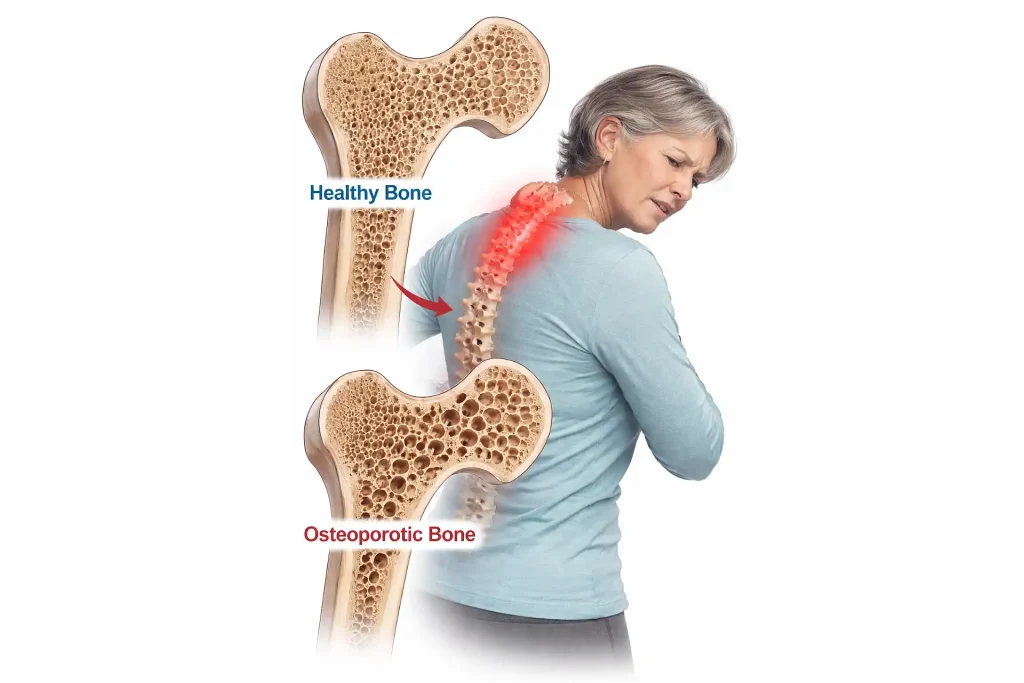
Women lose 1–2% of their bone density annually after age 40, a silent decline that leads to fragility. However, clinical research confirms that specific weight-bearing exercises can increase bone mineral density (BMD) by 2–4%, significantly reducing fracture risk and preserving long-term independence.
Bones are living tissues that adapt to physical stress. According to Wolff’s Law, mechanical loading signals osteoblasts(bone-building cells) to deposit calcium and minerals into the bone matrix. Without this stress—such as in sedentary lifestyles or zero-gravity environments—bone loss accelerates.
Fracture Risk: 50% of women over age 50 will suffer a spine or hip fracture.
Mobility Loss: Each major fracture results in a permanent 20% loss in mobility.
Financial Burden: Hospitalization for hip fractures in India often exceeds ₹2 lakh per incident.
The Solution: Targeted resistance training creates the precise gravity-based “loading” required for bone remodeling.
Deadlifts are the “gold standard” for bone health because they place the highest force through the most fracture-prone areas simultaneously.
The Goal: Conventional or Trap Bar deadlift (8–12 reps).
Bone Stress: Spine 85%, Hips 75%.
Why it’s #1: It creates a massive systemic signal for the body to strengthen the entire skeletal chain.
Squats target the femoral neck (hip joint) and the lumbar spine, areas most susceptible to osteoporosis.
The Goal: Barbell back squats or Goblet squats (10–15 reps).
Bone Loading: Femurs 70%, Spine 60%.
Progression: Increase weight by 2.5kg every 3 weeks to keep the stimulus “new” for the bone.
Lunges introduce “unilateral” loading, forcing the hip on one side to stabilize a heavy load, which triggers significant bone adaptation.
The Goal: Dumbbell lunges (12 steps per leg).
Bonus: Improves balance, which is the #1 way to prevent the falls that cause fractures.
This exercise loads the thoracic spine (upper back), helping to maintain an upright posture and prevent the “Dowager’s Hump.”
The Goal: Standing dumbbell or barbell press (12 reps).
Bone Stress: Thoracic spine 65%.
Walking while carrying heavy weights provides a constant, vertical load on the spine and hips.
The Goal: 12–15kg dumbbells for 40-meter walks.
Longevity Predictor: Grip strength is clinically linked to a longer, healthier lifespan.
| Exercise | Bone Stress Level | Result |
| Deadlifts/Squats | 80–85% | Bone Rebuilding |
| Brisk Walking | 15–25% | Maintenance Only |
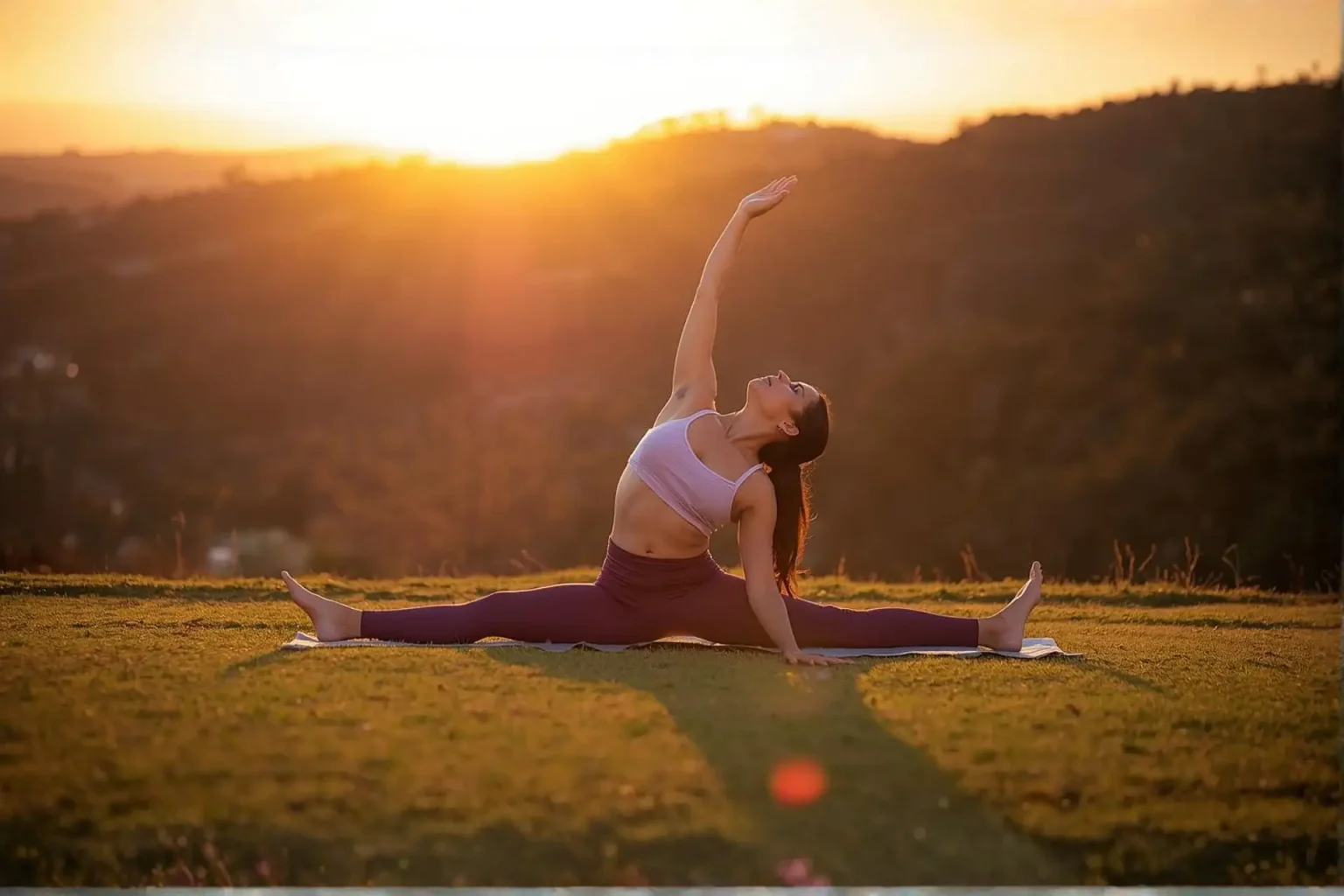
| Yoga/Pilates | 5–10% | Flexibility Only |
| Swimming | 0% | No Bone Impact |
| Phase | Focus | Key Milestones |
| Weeks 1–4 | Foundation | Master form with 12kg Goblet Squats and 20kg Deadlifts. |
| Weeks 5–8 | Progressive Loading | Increase Deadlift to 30kg; add Overhead Press. |
| Weeks 9–12 | Peak Strength | Deadlift 35–40kg; focus on heavy Farmer’s Carries. |
Rest: Allow 48–72 hours between sessions. Bone remodeling is a slow process that happens during recovery, not during the workout itself.
To build bone, your body needs the raw materials to respond to the exercise stimulus.
Calcium (1200mg): 400ml Curd (600mg) + 50g Ragi (300mg) + Green leafy vegetables (300mg).
Vitamin D (2000 IU): Essential for calcium absorption. Aim for 20 min of morning sun + supplementation.
Protein (1.2g/kg): Strong muscles act as a “shock absorber” for your bones.
Ragi Malt + 400ml Curd + 10 Almonds. This combo provides a massive 900mg calcium load to start your day.

Cultivate Calm & Unleash Your Strength: Join Our Women’s Fitness Community.

